Smart Home Features Trending Now in Construction
Practical technology upgrades Bellevue, IA homeowners are adding to new construction and remodeling projects
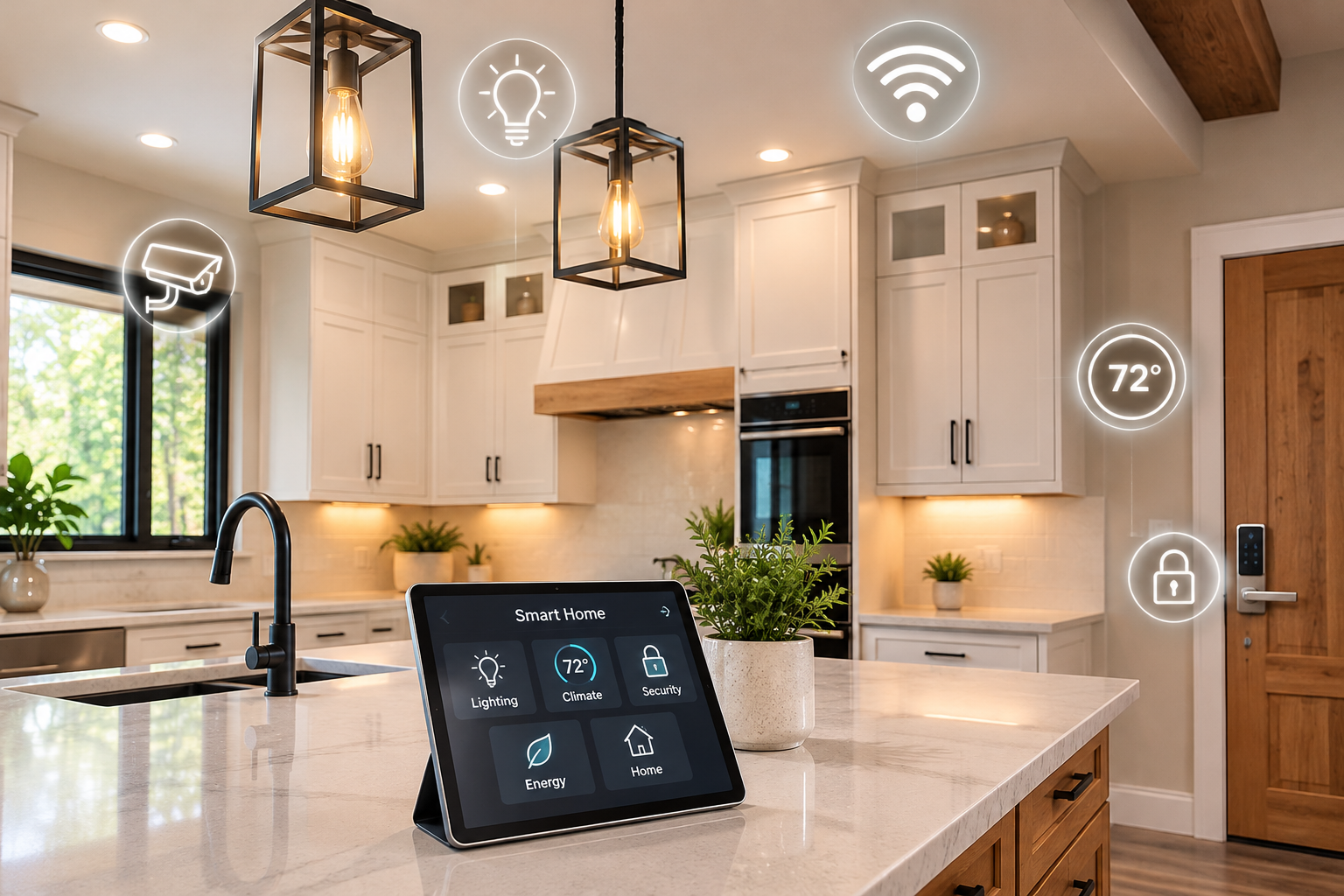
Smart home technology has moved well beyond voice assistants and app-controlled light bulbs. In 2026, the strongest trend in residential construction is not simply adding more gadgets. It is planning homes so technology, energy use, lighting, climate control, security, and electrical systems work together from the beginning.
That shift is especially important for homeowners planning a new build or major remodel around Bellevue, IA. According to the National Association of Home Builders, builders and remodelers are increasingly focusing on integrated lighting, home automation, networking, security, power management, and technology infrastructure that can evolve over time rather than become outdated quickly.
Cummings Construction has already explored smart technology in its eco-friendly home upgrade guide. The next step is understanding which smart-home features are actually gaining traction in construction and which ones are worth planning before walls are closed up.
Smart Thermostats Are Becoming a Standard Efficiency Upgrade
Smart thermostats remain one of the easiest places to begin because they control one of the biggest energy users in the home: heating and cooling.
ENERGY STAR-certified smart thermostats can automatically adjust temperatures based on schedules, occupancy, and whether homeowners are away. Many also provide energy-use information and allow remote control through a phone or tablet. ENERGY STAR notes that certified models are independently evaluated using real-world data to verify energy savings.
For Bellevue homeowners dealing with cold Iowa winters and humid summers, that kind of control can improve comfort while reducing unnecessary HVAC use.
Smart thermostat planning makes even more sense during a larger home remodeling project when electrical, HVAC, insulation, or other systems may already be getting attention.
Smart Lighting Is Getting More Sophisticated
Smart lighting is another technology that has matured considerably.
Instead of just turning lights on and off from a phone, newer systems can:
- Adjust lighting based on occupancy
- Follow programmed daily schedules
- Turn lights off automatically when rooms are empty
- Use geofencing when homeowners leave
- Coordinate with security and climate systems
- Create different lighting scenes for work, entertaining, or nighttime use
ENERGY STAR notes that smart lighting can reduce unnecessary energy use by automatically responding to occupancy and household routines.
This type of system is easiest to plan during construction or remodeling, especially when new electrical wiring, recessed lighting, under-cabinet lighting, or whole-room lighting layouts are already part of the project.
Whole-Home Energy Management Is a Growing Trend
One of the biggest developments going into 2027 is the shift from individual smart devices to whole-home energy management.
Instead of controlling the thermostat, lights, outlets, and appliances separately, homeowners can use integrated systems that monitor and coordinate energy use across the house.
ENERGY STAR's Smart Home Energy Management Systems program combines technologies such as:
- Smart thermostats
- Smart lighting
- Controlled plug loads
- Appliances
- EV chargers
- Security systems
- Occupancy-based automation
The goal is to make energy use easier to understand and automatically reduce waste based on household patterns.
For homeowners planning a new home, addition, or extensive remodel, this is exactly the kind of technology that should be discussed early rather than added after construction is finished.
Electrical Capacity Is Becoming Part of Smart-Home Planning
Another major change is that smart-home conversations are expanding beyond devices.
Homes are becoming increasingly dependent on electricity. EV chargers, heat pumps, smart appliances, battery storage, solar systems, security equipment, networking hardware, and home automation all add electrical demand.
NAHB identifies electrical capacity, load management, backup power, surge protection, and energy monitoring as growing priorities in home technology planning.
That means homeowners planning a new build or major renovation should think about:
- Future EV charging
- Additional circuits
- Electrical panel capacity
- Whole-home surge protection
- Backup power options
- Generator connections
- Energy monitoring
- Space for future electrical upgrades
Even if you do not need every feature today, designing for future capacity can prevent expensive modifications later.
Smart Security Is Moving Beyond Doorbell Cameras
Security continues to be one of the biggest reasons homeowners adopt connected technology.
Modern systems can integrate:
- Exterior cameras
- Video doorbells
- Smart locks
- Garage door controls
- Motion sensors
- Door and window sensors
- Lighting
- Smoke and carbon monoxide alerts
The important trend is integration.
Instead of six separate apps, homeowners increasingly want one connected system that coordinates lighting, access, cameras, and alerts. NAHB specifically identified integrated security as one of the major areas shaping connected-home design coming out of the 2026 CEDIA Expo.
When security features are considered during construction, wiring, camera locations, power, and networking can be built into the design cleanly.
Strong Home Networking Is Now Infrastructure
A smart home is only as reliable as the network behind it.
This is an area that is easy to overlook during construction.
Wi-Fi dead zones that are annoying in a normal house become much more frustrating when thermostats, cameras, lighting, appliances, televisions, door locks, and security systems all depend on connectivity.
For larger homes or new construction, technology planning may include:
- Strategically placed wireless access points
- Hardwired Ethernet connections
- Central networking equipment
- Dedicated space for routers and controls
- Prewiring for future devices
NAHB's current smart-home guidance emphasizes planning networking early, before framing, electrical work, and other systems are finalized.
The takeaway is simple: good Wi-Fi should be treated like part of the home's infrastructure, not something figured out after move-in.
Kitchens Are Getting Smarter Without Looking Like Tech Showrooms
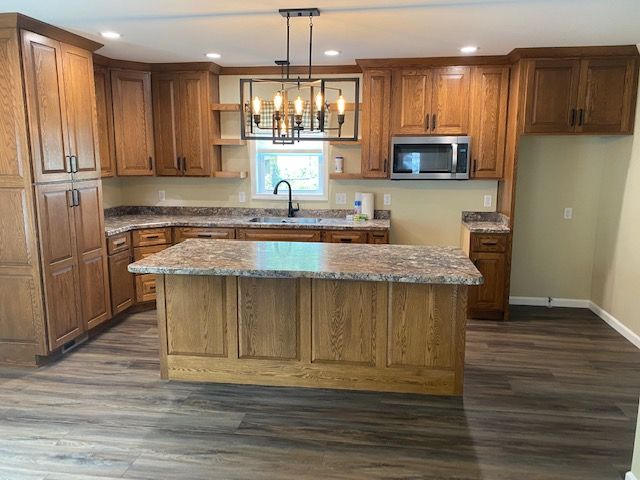
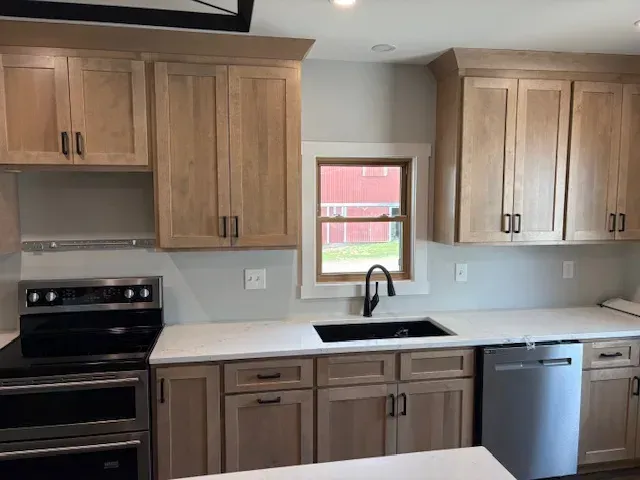
Smart technology is also becoming more integrated into kitchen remodeling.
Homeowners increasingly want convenience without making the room look overloaded with electronics.
Popular features include:
- Smart ovens with remote controls
- Connected refrigerators
- Induction cooking
- Built-in charging areas
- Hidden outlets
- Lighting controls
- Appliance monitoring
- Touchless or sensor-based faucets
- Dedicated beverage and prep stations
Houzz found that 76% of renovating homeowners added specialty built-in kitchen features in its 2026 study, showing how much emphasis homeowners are placing on customized function and organization.
Bathrooms Are Adding More Technology Too
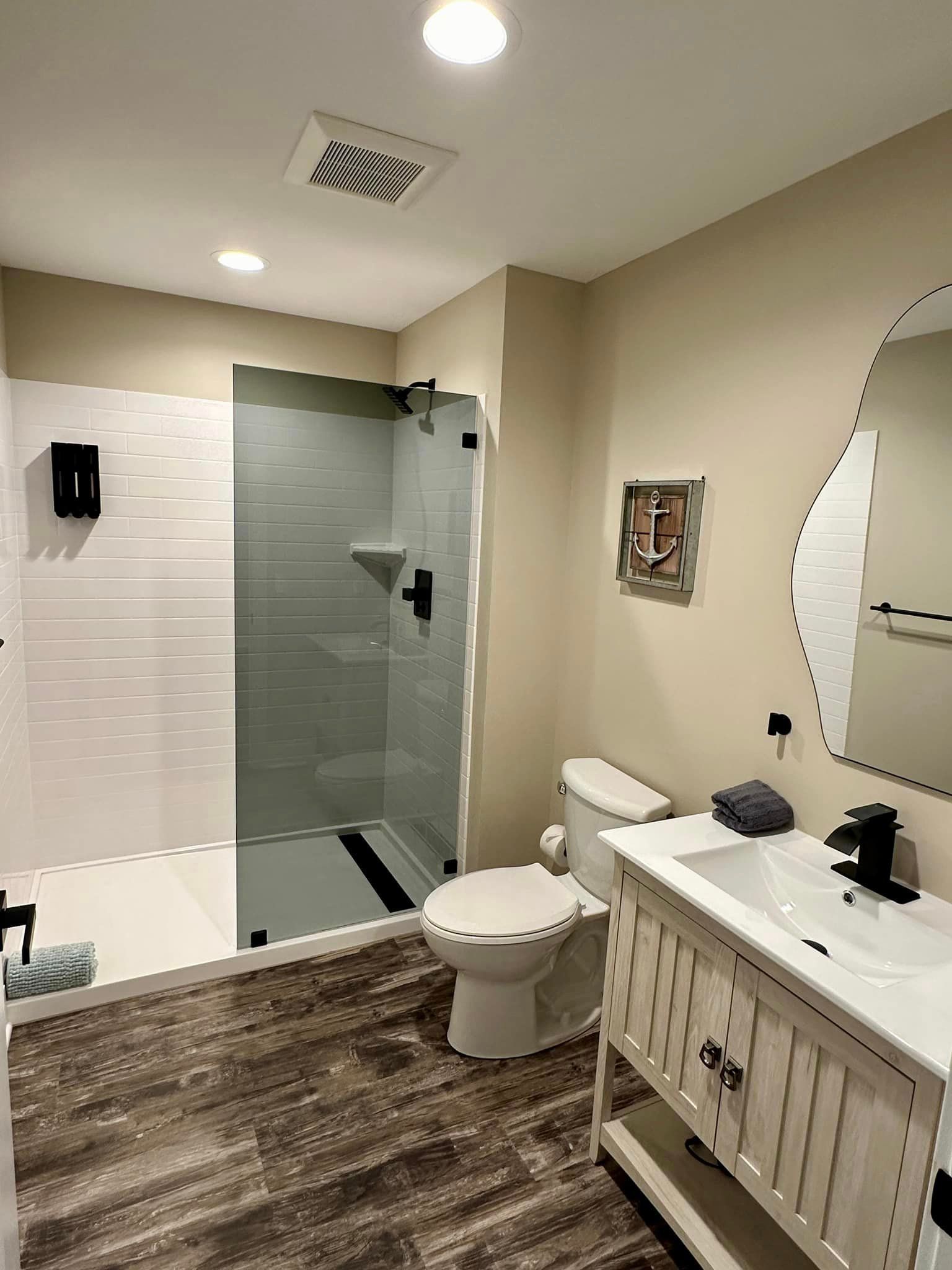
Bathrooms are also becoming more connected.
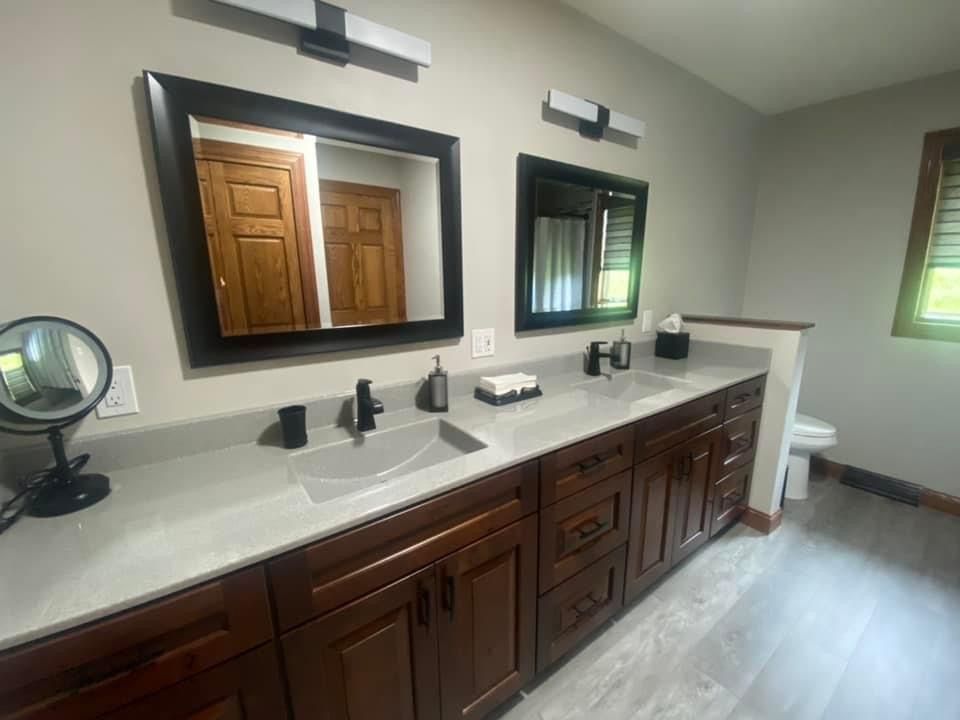
Current remodeling trends include:
- Heated flooring
- Smart mirrors
- Adjustable lighting
- Built-in electrical outlets
- Bidet toilet seats
- Nightlights
- Temperature-controlled showers
- Ventilation controls
- Heated towel systems
Houzz's 2026 bathroom research showed growing adoption of specialty toilet features, built-in electrical outlets, lighting upgrades, and other convenience-focused technology.
The important point is that smart bathroom technology works best when it is included in the original electrical and plumbing plan.
Trying to retrofit these features later can require opening walls, moving wiring, or modifying plumbing.
Smart Windows, Doors, and Exterior Monitoring
Smart-home technology is not limited to the interior.
Connected sensors can help homeowners monitor doors, windows, moisture, and security around the exterior of the house.
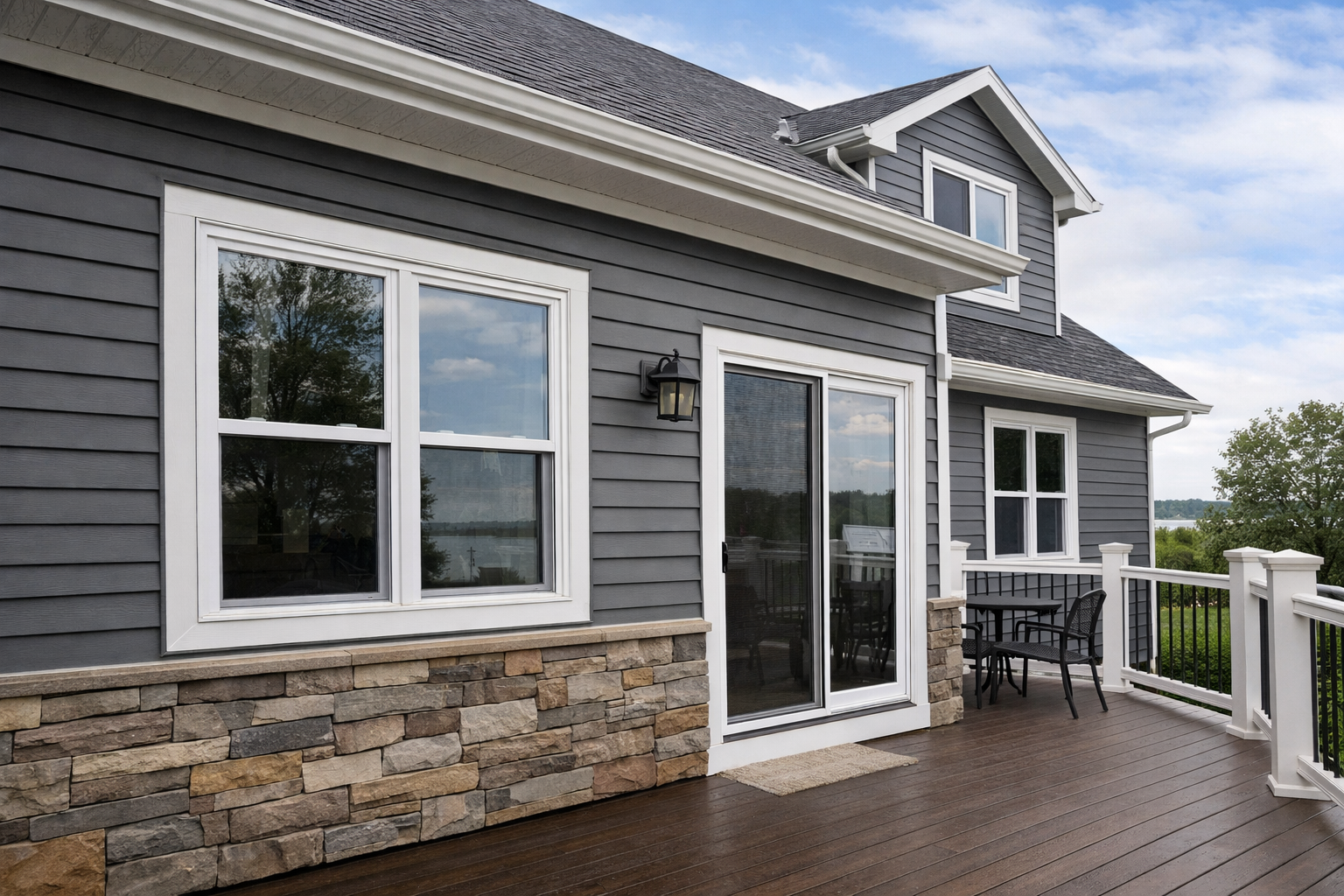
Energy-efficient windows and doors can also be paired with modern security sensors and monitoring systems that provide alerts if a door is unlocked or a window is opened unexpectedly.
Cummings Construction already focuses on window and door upgrades that improve energy efficiency, insulation, security, and overall performance for Bellevue-area homeowners. Combining those physical improvements with smart monitoring can create a stronger overall system.
AI Is Starting to Work Behind the Scenes
Artificial intelligence is also moving into residential technology, but probably not in the way many homeowners imagine.
The biggest change is not a talking house.
It is systems quietly learning routines and making adjustments automatically.
NAHB expects the next generation of connected homes to use AI to anticipate needs, automate routines, manage energy, and coordinate systems without requiring homeowners to constantly adjust settings.
That could eventually mean homes that automatically:
- Adjust temperature based on routines
- Change lighting throughout the day
- Manage electrical loads
- Detect unusual energy consumption
- Coordinate security settings
- Optimize battery or EV charging
The technology becomes less visible while the house itself becomes easier to operate.
The Biggest Smart-Home Trend Is Better Planning
This may be the most important trend of all.
Homeowners do not necessarily need more technology.
They need better-planned technology.
NAHB's current industry guidance stresses involving technology considerations early, before framing, electrical work, and HVAC decisions are locked in.
That is particularly important for homeowners considering 2027 remodeling projects.
If walls are already being opened or a new home is being designed, it is the perfect time to think about:
- Networking
- Electrical capacity
- Smart switches
- Security wiring
- Thermostats
- Lighting controls
- EV charging
- Backup power
- Future technology expansion
Planning ahead is usually much easier and less expensive than trying to retrofit everything later.
Which Smart Features Are Actually Worth It?
Not every connected device belongs in every home.
The best smart features generally fall into one of three categories:
They save energy.
Examples include smart thermostats, lighting controls, occupancy sensors, and energy monitoring.
They improve convenience.
Examples include smart locks, automated lighting, garage controls, and appliance monitoring.
They improve safety or security.
Examples include cameras, water-leak sensors, smoke detection, and integrated security systems.
If a product does none of those things, it may just be another gadget to maintain.
That is why homeowners should start with real needs instead of technology for technology's sake.
Build Smart Technology Into Your Next Bellevue, IA Project
Smart-home features are becoming a normal part of residential construction, but the best systems are the ones homeowners barely have to think about.
They improve comfort, reduce wasted energy, strengthen security, and make everyday routines easier without making the house feel complicated.
If you are planning new construction or a major remodeling project in Bellevue, IA, this is the right time to consider which smart features should be built into the design from the beginning.
Cummings Construction works with homeowners throughout the Bellevue area on new construction, kitchens, bathrooms, whole-home remodeling, energy-efficient windows and doors, and other custom projects. Explore their recent projects or contact Cummings Construction to start planning a home that is ready for today's technology and tomorrow's upgrades.